
How to do bookkeeping for small businesses: A step-by-step guide

However, bookkeeping as a term doesn’t necessarily include such long-term calculations and analyzes. That said, good bookkeeping ensures that you have the numbers and data that you need to help your accountant make predictions about your business’ future, and diagnose your business’ financial health. Never leave the practice of bookkeeping (or your business assets) to chance. No matter what system you implement, incorporate a practice of reconciliations, by comparing the numbers in your system to the source records, like bank statements, receipts, and invoices. This habit improves communication, boosts transparency with your bookkeeping team, and promotes longevity and compliance. When you first begin the bookkeeping journey, collect everything you have that could be relevant to establishing financial history.
Weekly bookkeeping tasks
For sales, you’ll want to capture https://www.bookstime.com/tax-rates/new-york not just the amount, but also key details like the customer, payment method, and any sales tax collected. See your business cash flow trends and balance forecasting — any time, anywhere — with Nav’s Cash Flow Health. While you may think of bookkeeping as a necessary evil—something you must do to avoid IRS trouble—it actually has many benefits beyond making tax time easier. Each province in Canada has a different threshold for when a business owner is required to pay taxes by quarterly instalments, instead of as a lump sum at the end of the year.
Cash-Based Accounting
- Because of the number of accounts and moving pieces, collaboration is critical for successful implementation.
- This includes business expenses, payments, deposits, invoices, receipts, credits, and more.
- Professional bookkeeping services can often complete tasks more efficiently and accurately than business owners, reducing costly errors and missed opportunities.
- Whichever accounting method you choose, the best way to make sure you’re dotting your i’s and crossing your t’s is to maintain order in the way you manage your bookkeeping.
- Many, or all, of the products featured on this page are from our advertising partners who compensate us when you take certain actions on our website or click to take an action on their website.
- If you choose to use double-entry bookkeeping—and we strongly suggest you do!
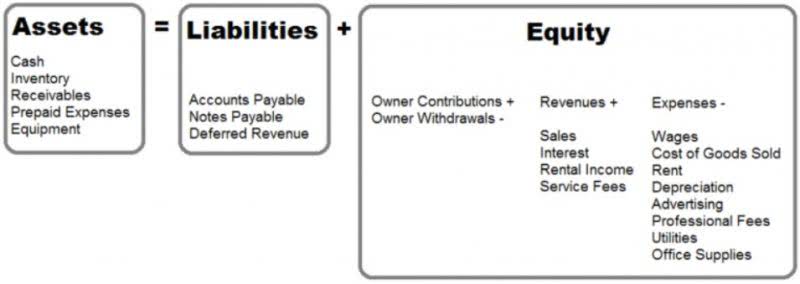
With accurate bookkeeping, you can tell how much your business is making in terms of income and track your spending to ensure that you have enough cash on hand to cover your business expenses. Proper financial records make it easier for you to analyze the financial state of your firm and determine areas that need improvement. Business bank accounts should always be kept separate from personal bank accounts. Additionally, it’s important to recognize that the term “accounts” in bookkeeping refers to certain groups of transactions, rather than to actual business bank accounts. The business Chart of Accounts includes assets, liabilities, revenues (income), expenses, and equity. Accrual accounting provides a more accurate picture of a business’s financial health than cash accounting, as it considers all of the financial transactions for a net sales given period.

A Beginners Guide to Small Business Bookkeeping
Double-entry bookkeeping requires at least two entries per transaction — a debit from one account and a credit to another. QuickBooks accounting software can help you ease into the accrual method of accounting by ensuring that your records are accurate, based on information from your credit card or payment apps. If you plan on growing your business in the future, you’ll probably want to get used to using this method. By recording cash transactions when the money actually changes hands, you can simply cross-reference your bank statements with your bookkeeping records to ensure accuracy.
Similarly, you example of small business bookkeeping don’t notate outstanding bills until you actually pay them. This method offers a true snapshot of your assets and debts at any given time. Double-entry accounting enters every transaction twice as both a debit and a credit. Your business’s books are balanced when all of the debits equal (or cancel out) all of the credits. And since it takes equity, assets and liabilities — on top of expenses and income — into account, it typically gives you a more accurate financial snapshot of your business.
For example, if you make a $30 sale, in the double-entry system that transaction could be recorded as a gain in your income ledger, and as a deduction to the total value of your inventory. Records older than six years can be securely disposed of by hiring a professional document shredding company. For digital records, QuickBooks allows you to easily delete or condense historic transaction data to save you storage space and secure sensitive financial information. While accounting encompasses these data-gathering duties, this field also tends to involve analyzing the numbers and making profit and loss projections.

The two key accounting systems are cash accounting and accrual accounting. If your business is still small, you may opt for cash-basis accounting. If you carry inventory or have accounts payable and accounts receivable, you’ll likely use accrual accounting. The first step you’ll need is a business bank account, which allows you to keep your personal and business expenses separate.
Set up your general ledger
If you wait until tax time, you’re likely to miss receipts for expenses that could have been deducted, or find it hard to categorize expenses. From there, accounts are broken into specific types of expenses, revenue, etc. With the right systems in place, any small business owner can maintain accurate, useful financial records that support their business success.
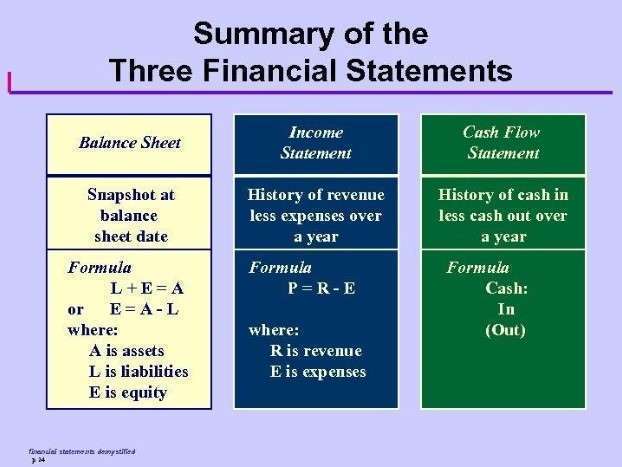
Create Financial Reports
A clear picture of your income within a specific quarter makes it easy to figure out how much tax to pay for that three-month period. Proper bookkeeping also allows you to determine the areas within your company that could benefit from improvements. If you’re a small business owner, it’s necessary to set projections and forecast the future of your business. Bookkeeping accounting lets you know if your small business needs extra employees or requires operational changes. Accurate bookkeeping helps you trace your firm’s financial records and evaluate its performance levels.