
Alcoholism: A Multi-Systemic Cellular Insult to Organs

Persons with AUD most often lose the ability to regulate their drinking habits. Individuals who are struggling with alcohol abuse often feel they cannot function normally or reach their full potential without drinking alcohol. With time, chronic alcohol abuse can cause physical side effects and result in severe systemic complications. It’s often said that moderate alcohol consumption, especially red wine, is good for your heart.
The strained heart: cardiac consequences of alcohol
This can also result in changes to brain chemistry, affecting an individual’s mood, memory, and behavior. Therefore, addiction not only harms the body but also has a significant impact on brain function and overall health. Substance abuse-induced respiratory illnesses can range from reversible to potentially fatal. Conditions like asthma may see improvement if drug use ceases, while others, such as lung cancer and chronic obstructive pulmonary disease (COPD), necessitate treatment and carry the risk of becoming fatal.
- Typically, heart disease is the major cause of death in people with severe anorexia nervosa.
- The purpose of this symposium was to promote significance and awareness of a broad range of different organ injuries induced by alcohol that highlight the physiological processes of organ damage.
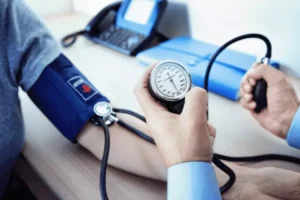
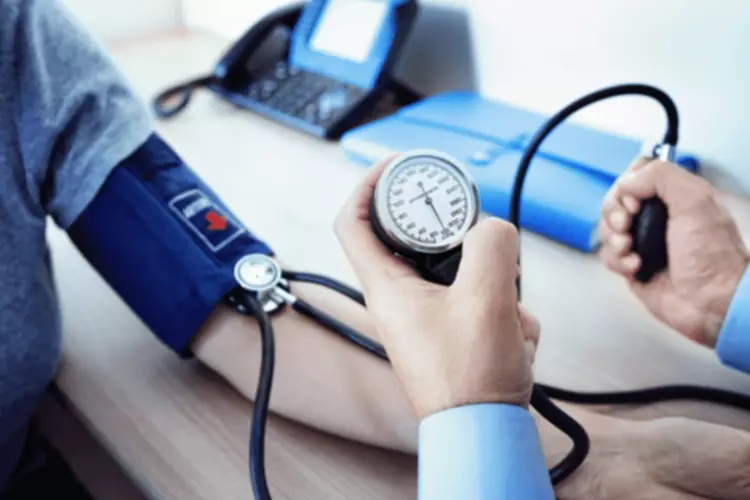
- Untreated, high blood pressure increases the risk of heart attack, stroke and other serious health problems.
- Patients with severe alcohol-related hepatitis may be treated with corticosteroids, such as prednisolone, to reduce some of the liver inflammation.
- Up to 40 percent of the people that suffer from anorexia may also face Osteoporosis, which means an advanced loss of bone density.
How is alcohol-related liver disease diagnosed?
Perhaps most concerning, research indicates that alcohol-related brain changes begin at consumption levels previously considered moderate or low-risk. While the brain demonstrates remarkable adaptability, extended periods of heavy drinking create changes that may never fully reverse, even with complete abstinence. Prolonged and chronic substance abuse, including drugs and alcohol, can suppress the immune system, making individuals more susceptible to infections and illnesses. Alcohol, for example, impairs the immune system’s ability to defend against pathogens, and certain drugs may have immunosuppressive effects. The kidneys, critical organs responsible for filtering blood and producing urine, face significant threats from drug abuse.
- Those interested in a detailed history of this research field are directed toward earlier comprehensive reviews (63).
- When seeking answers, people often look to experts for clear and accurate information.
- While the liver does most of the work of processing alcohol, the pancreas also plays an important role.
Brain and Mental Health
In response to long term alcohol misuse may cause these changes, the brain initiates compensation mechanisms, leading to cognitive impairment. The process of metabolizing alcohol can result in the production of substances that damage liver cells. It can also lead to the production of abnormal levels of fats, which are stored in the liver.
Additionally, although the persons with AUD were significantly more depressed than the non-drinkers, this did not significantly affect the performance of the two groups. Regular, moderate alcohol use31 (one drink per day for women, two for men) generally has less severe consequences compared to less frequent heavy drinking or bingeing. Even one night of heavy drinking can weaken your body’s natural defense system. Alcohol disrupts your production of white blood cells, which is how your body fights off infections. This temporary suppression of the immune system5 makes you more susceptible to catching illnesses, from the common cold to more serious infections. The good news is that the immune system rebounds relatively quickly once alcohol is eliminated from the body.
Yes, in rare cases, MRSA can cause colitis (inflammation drug addiction of the colon), leading to symptoms like abdominal pain, diarrhea, and fever. Yes, MRSA infections can be treated with specific antibiotics, and the infection can go away completely. The first and most important response to increasing temperatures is heat dissipation via the skin and extremities of our body, such as our hands and feet. We start producing sweat that will evaporate on our skin, shedding heat in the process. The medulla is responsible for involuntary functions, such as body temperature regulation and breathing. When the medulla is affected, the body temperature drops, and respiration can be depressed.
- The beneficial effects of alcohol appear to be dependent on multiple factors, including age, gender, co-morbidities, as well as the frequency and the amount of alcohol consumed 55.
- Due to its ability to distribute throughout most fluid compartments of the body (Dubowski, 1985), the chronic consumption of ethanol leads to cell injury in nearly every tissue, specifically cardiac tissue.
- Conventionally, liver injury due to alcohol consumption has been studied in depth.
- Khoshbaten, M., Aliasgarzadeh, A., Masnadi, K., Tarzamani, M. K., Farhang, S., Babaei, H., Kiani, J., Zaare, M., & Najafipoor, F.
- Over time, excessive alcohol consumption damages brain cells6 and impairs cognitive function, leading to problems with memory, learning, and concentration.
- After drinking too much alcohol, hunger, thirst, blood pressure, and the urge to urinate increase, while body temperature decreases.
The brain adapts to this new normal, and when an individual attempts to quit the drug, dopamine levels plummet. This results in adverse effects such as poor moods, depression, and other negative symptoms. For patients with severe alcohol-related hepatitis or severe alcohol-related cirrhosis who aren’t helped by other therapies, liver transplantation may be an option.
How does Addiction Affect the Lungs?
However, you don’t have to lose hope and continue down the path of destruction. Across the country, there are specialized alcohol treatment programs that help millions of https://ecosoberhouse.com/ individuals overcome alcoholism each year. With customized recovery plans in place, each facility offers several amenities, therapies and activities.

Understanding MRSA’s Impact: Which Internal Organ Suffers Most?
This creates a troubling cycle where diminished decision-making capacity leads to further poor choices regarding alcohol consumption. The hippocampus, essential for forming new memories, also suffers disproportionate harm, explaining why frequent drinkers often experience blackouts and memory gaps. If the enzymes are turned on too soon, they can start acting like digestive juices inside the pancreas.
Alcohol acts as a depressant over the entire system and slows your ability to process information and how your body performs its basic functions. Drugs interfere with the nervous system’s ability to regulate your mood, thinking, and coordination of bodily functions. Most people abuse drugs and alcohol because they immediately affect the nervous system by altering their moods. This comes at a steep price; however, drug and alcohol abuse jeopardizes the main organ system that all other organs rely upon. Sustained substance abuse causes irreversible brain damage, which can manifest as memory loss and personality changes. Schematic diagram illustrating the role of CYP2E1, Bid-dependent apoptosis, and complement activation in the development of adipose tissue inflammation during chronic ethanol feeding to mice.